
Engineering guide
Tilt accuracy and event detection: what to compare
Choose a measurement that answers the site question.
Fullstack Intelligence lists tilt accuracy of ±0.5° for X-7 and 0.01° for X-8. Choose around the tilt change your task needs to identify, then agree the measurement range, mounting and site conditions. Event detection also depends on trigger settings and recorded data. An accuracy value alone does not establish event classification or a structural diagnosis.
Sources: X-7 product specifications, X-8 product specifications.
Which node should I compare first?
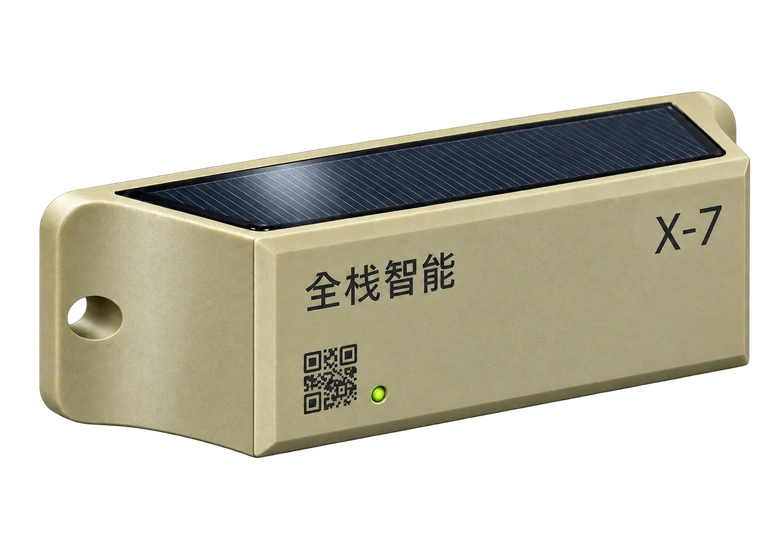
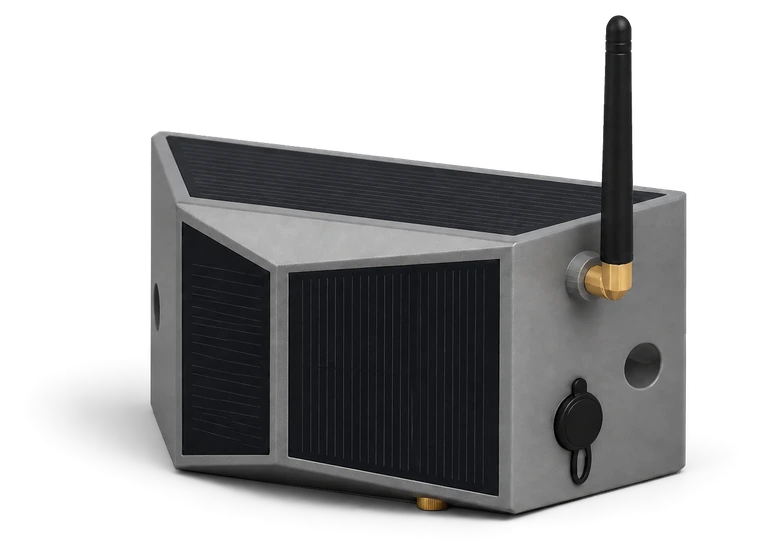
| Model | Tilt accuracy | Start with this task |
|---|---|---|
| X-7 | ±0.5° | Compact coverage at multiple selected points. |
| X-8 | 0.01° | Selected points where tilt precision matters. |
Sources: current X-7 product page and current X-8 product page. These are manufacturer-stated product values. The full model comparison also separates communications and configuration.
How do accuracy, resolution and drift differ?
- Accuracy
- How closely a measurement agrees with the reference value under stated conditions.
- Resolution
- The smallest change the system can distinguish or report. More decimal places alone do not prove greater accuracy.
- Repeatability
- How closely repeated measurements agree when the relevant conditions remain the same.
- Drift and temperature effects
- How the reading changes with time or temperature while the physical reference is controlled.
These plain-English explanations follow the JCGM metrology vocabulary. Request performance definitions for the complete device and proposed measurement range. Agree a reference method, mounting orientation and test conditions before using a trend to make an inspection decision.
Does an acceleration event show structural damage?
An acceleration or tilt event marks a configured condition for review. In the Shaba River X-7 material, the saved record includes 1776 mg, −168 mg and 7224 mg across its displayed acceleration fields. Staff recorded accidental device contact during construction. The record illustrates why a site finding matters. Inspect the transcribed fields and source.
Acceleration in mg and tilt in degrees do not by themselves establish peak particle velocity (PPV), vibration compliance or structural damage. A task that requires those results needs its own suitable instrument, measurement method and interpretation.
What should a technical evaluation establish?
State the smallest relevant tilt change, event duration and decision to be supported. Agree the reference measurement, baseline, mounting and representative environmental conditions. For event detection, review both a known input and the delivered event record. Keep the result with the tested hardware and configuration.
Use the evaluation checklist to record acceptance criteria and responsibilities. Choose the remote-site checks where access, shading or communications could affect the installation.
Sources and scope
- X-7 product specificationsCurrent manufacturer product page. Tilt accuracy ±0.5°; standard 4G, LoRa on X-7 Pro.
- X-8 product specificationsCurrent manufacturer product page. Tilt accuracy 0.01°. Confirm the project measurement and installation conditions.
- JCGM: International Vocabulary of MetrologyReference for accuracy (2.13), repeatability (2.21), resolution (4.14) and instrumental drift (4.21). Definitions below are plain-English explanations.
- Shaba River Bridge saved mobile recordX-7 project material, China. The guide transcribes the displayed values; it does not reconstruct a time series.
- Technical evaluation and delivery scopeManufacturer evaluation checklist. Site, communications, measurement and delivery responsibilities are agreed for the project.
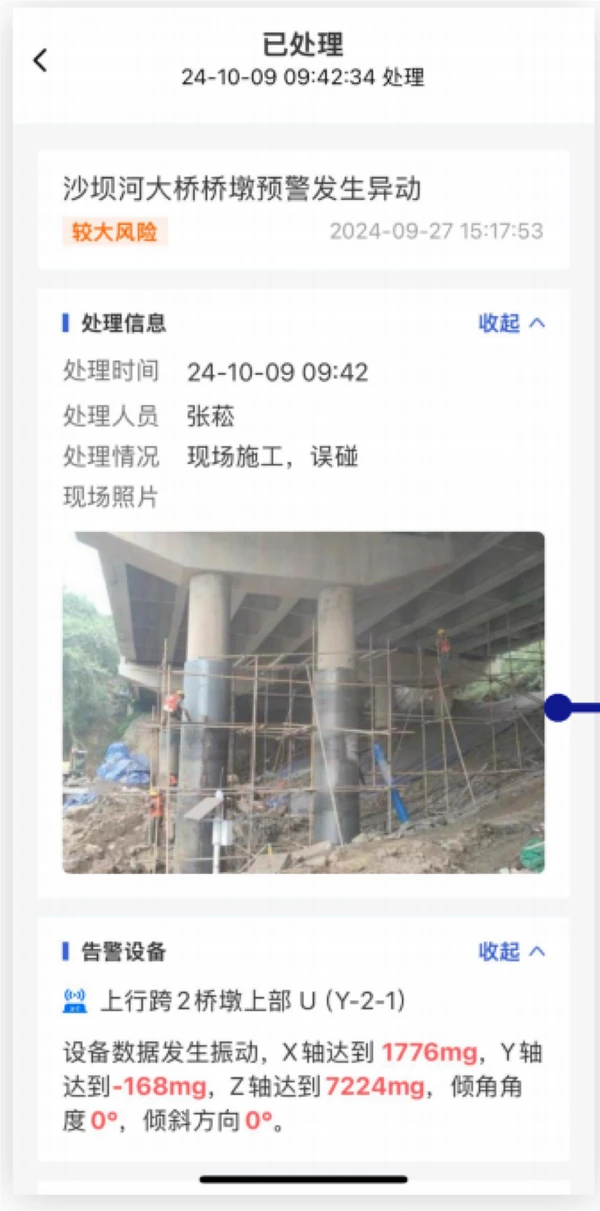
Prepared from manufacturer materials and the project records named above. Engineering acceptance remains specific to the proposed installation.